
EcoDuct Market Update 08 August 2026
UK property estates and the importance of reduction in Scope 1 to 3 emissions
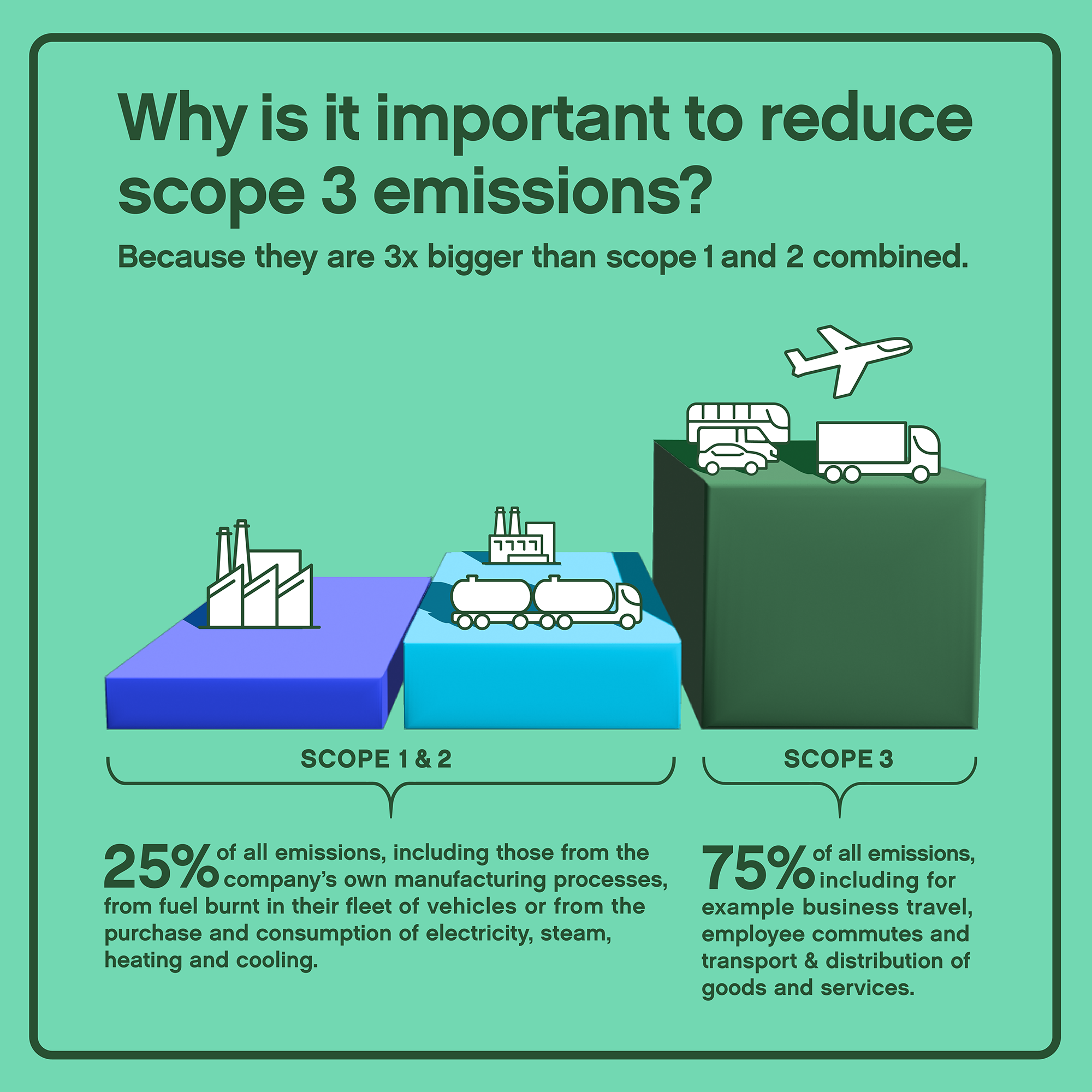
For major UK estate owners, the path to true net zero runs straight through Scope 3 emissions. These account for 85-95% of a typical real estate carbon footprint - primarily embodied carbon in construction materials and tenant energy use in leased assets. Without tackling them, net-zero targets remain out of reach.
Several forces are intensifying the pressure:
⚡ Tenant energy consumption - Downstream leased assets dominate indirect emissions. Leading landlords such as Legal & General are already setting science-based interim targets to cut tenant carbon intensity on the road to Net Zero by 2050.
🏗️ Embodied carbon in capital goods - Upstream emissions from raw material extraction, manufacturing and construction are under growing scrutiny. Estate owners are increasingly adopting Whole Life Carbon methodologies to measure and reduce this footprint on new builds and major refurbishments.
📈 Investor and financial pressure - Institutional investors demand Task Force on Climate-related Financial Disclosures (TCFD) aligned carbon accounting. Portfolios that lag risk “brown discounts” and lower valuations.
📜 Voluntary frameworks leading regulation - While Scope 1 and 2 reporting is mandatory under UK Streamlined Energy and Carbon Reporting (SECR) guidelines, Scope 3 remains voluntary for now. Forward-looking owners are already aligning with the UK Green Building Council (UKGBC), the Better Buildings Partnership and similar frameworks to stay ahead of future mandates.
A quick refresher on the GHG Protocol categories:
1. Scope 1 - Direct emissions from owned or controlled sources (e.g. on-site boilers, company vehicles, refrigerant leaks).
2. Scope 2 - Indirect emissions from purchased energy (electricity, heat, steam or cooling).
3. Scope 3 - All other indirect emissions across the value chain, both upstream (suppliers, materials, construction) and downstream (tenant energy use, product end-of-life). For most organisations this is by far the largest - and most challenging - category.
How EcoDuct helps UK property estates close the gap
EcoDuct is a UK manufactured, non-metallic pre-insulated ductwork system that directly targets two of the biggest Scope 3 hotspots in realestate: embodied carbon in capital goods and operational energy use (which feeds into landlord Scope 3 via tenant consumption).
Key quantified benefits:
🌱 Up to 75% lower embodied carbon versus traditional galvanised steel ductwork plus insulation — a measurable reduction in the capital goods and construction-related portion of Scope 3.
🔋 Up to 45% lower HVAC energy consumption through superior thermal performance and airtightness, cutting operational carbon and helping tenants (and therefore landlords) meet intensity targets.
🍃 Up to 85% lighter and up to 70% faster to install, reducing structural loadings, programme risk, site waste and secondary steel — further lowering the whole-life carbon and cost profile.
🔄 Built-in circularity via a take-back scheme that supports recovery, re-use and recycling, aligning with Whole Life Carbon and future regulatory expectations.
🏅 Supports credits and fully aligned to BREEAM, LEED, the International WELL Standard, NABERS Design for Performance and the UK Net Zero Carbon Buildings Standard, with no “green premium” on installed cost in most applications.
By specifying EcoDuct on new developments, major refurbishments or estate-wide HVAC upgrades, owners gain a practical, quantifiable lever to shrink both the embodied and operational carbon that sit inside their Scope 3 inventory - while improving asset values, tenant attractiveness and regulatory readiness.
NB: please refer to other recent EcoDuct Market Updates on:
Decarbonise Your Estate Without Increasing Your Budget